
剁椒鱼头 (Duo Jiao Yu Tou)
剁椒鱼头 (dwoh jyow yoo toh)
Steamed Fish Head with Chopped Chili
This bold Hunan specialty showcases the region's fearless approach to spice and flavor. The steamed fish head, split in half to reveal tender, flaky flesh, is generously blanketed with vibrant fermented red chilies that create a striking crimson blanket. The dish delivers a complex sensory experience: the fish's natural oils meld with the fiery, umami-rich fermented chilies, creating layers of heat that builds gradually while the bright acidity cuts through the richness. The garlic and ginger add aromatic depth, while the Shaoxing wine lends a subtle sweetness that balances the intense spiciness. Traditionally served at family gatherings and festive occasions, this dish represents Hunan's culinary philosophy of 'one dish, one flavor' - where each component contributes distinctly to the overall harmony. The steaming technique preserves the fish's delicate texture while allowing the chilies to infuse their essence throughout.
Nutrition & Info
Allergen Warnings
Equipment Needed
Instructions
-
1
Clean the fish head thoroughly and rub with wine and salt, let sit ten minutes.
-
2
Place head cut-side down on a plate, spread garlic and ginger over it.
-
3
Cover generously with the fermented chopped chilies.
-
4
Steam over high heat for twelve to fifteen minutes.
-
5
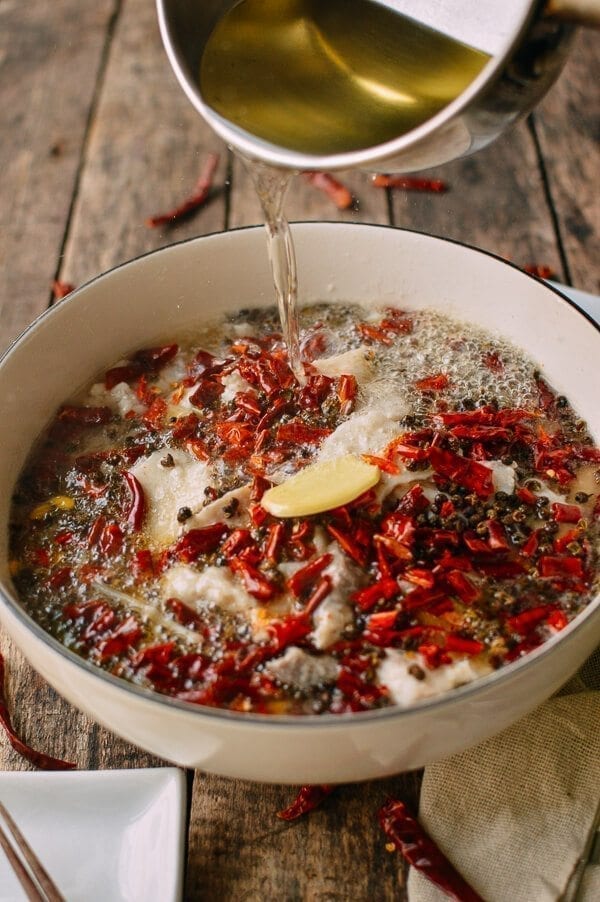
Heat oil until smoking and pour over the fish head, garnish with scallions.
Did You Know?
The fermented chopped chilies used in this dish are typically aged for 6-12 months in clay pots, creating a complex flavor profile that's both intensely spicy and subtly sweet, with notes of umami that develop during the fermentation process - a technique that predates modern preservation methods by centuries.
Chef's Notes
Equipment Tips
- steamer
The Story Behind 剁椒鱼头 (Duo Jiao Yu Tou)
Originating from Hunan Province's rural fishing communities, this dish evolved from traditional fish preservation methods using fermented chilies. The technique dates back centuries when fishermen would ferment chilies with fish heads to extend shelf life during winter months. It became particularly popular during the Qing Dynasty when Hunan's spicy cuisine gained recognition throughout China. The dish represents the region's agricultural heritage, as Hunan's climate produces ideal conditions for chili cultivation, making it a cornerstone of the province's culinary identity.

Comments (0)
Log in to leave a comment.
No comments yet. Be the first to share your thoughts!