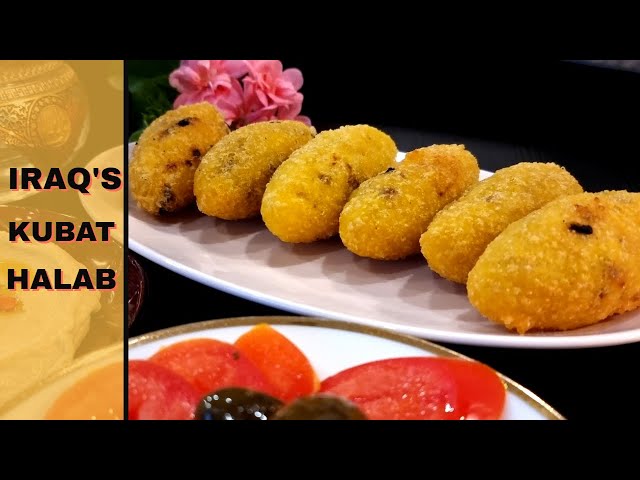
Aleppo-Style Kubba represents a masterful fusion of Iraqi culinary tradition and Syrian influence, showcasing the region's rich tapestry of flavors. These golden, pillowy dumplings boast a crispy bulgur wheat shell that yields to reveal a luxurious filling of spiced minced lamb, toasted pine nuts, and sweet raisins, creating an exquisite contrast of textures and temperatures. The dish delivers a symphony of warm spices—cinnamon, allspice, and cumin—while the pine nuts add a nutty richness that balances the lamb's robustness. Traditionally served during festive occasions and religious celebrations, these kubbas are often accompanied by a simple yogurt sauce or warm lamb broth, reflecting Iraqi hospitality and the importance of communal dining. The golden-brown exterior glistens with oil, promising a satisfying crunch that gives way to the aromatic, tender filling within.
Nutrition & Info
Instructions
-
1
Soak the bulgur wheat for 30 minutes, drain, then blend with 250g minced lamb, salt, and allspice until it forms a smooth, kneadable paste for the shell.
-
2
Prepare the filling by sauteing onion until golden, adding 300g minced lamb with cinnamon, cumin, salt, and pepper, cooking until browned, then mixing in pine nuts and raisins.
-
3
Take a portion of the shell mixture, form into a hollow torpedo shape in your palm, stuff with the meat filling, and seal completely, ensuring no cracks.
-
4
Deep-fry the stuffed kubba in oil at 175C for about 5 minutes until the shell is deeply golden and crispy, then drain on paper towels and serve hot with lemon wedges.
Did You Know?
The name 'kubba' literally means 'little dome' in Arabic, referring to the distinctive rounded shape that resembles a small dome—this shape was traditionally associated with the Turkish Ottoman imperial crown, making the dish a subtle nod to the region's complex political and cultural history.
The Story Behind Kubba Haleb
Aleppo-Style Kubba traces its roots to the bustling markets of Aleppo, where Iraqi and Syrian culinary traditions merged centuries ago. The dish evolved from traditional kubba recipes brought by Syrian refugees, adapting to Iraqi tastes while maintaining its distinctive character. It became particularly prominent during the Ottoman period when regional cuisines intermingled, and the dish gained popularity in Baghdad's affluent neighborhoods as a symbol of refined Iraqi cuisine.



Comments (0)
Log in to leave a comment.
No comments yet. Be the first to share your thoughts!