
Barbacoa
Barbacoa represents the soul of Mexican comfort food, where slow-cooked lamb transforms into velvet-soft strands that yield effortlessly under the slightest pressure. The meat, traditionally wrapped in maguey leaves and slow-cooked in underground pits called comal, develops a complex flavor profile that balances smoky depth with the bright heat of chilies. Each bite delivers tender, succulent meat with a rich, savory taste that lingers pleasantly on the palate. The dish's appearance is rustic yet elegant—shredded lamb bathed in a rich, amber-colored sauce that glistens with the natural fats of the slow-cooked meat. Barbacoa holds deep cultural significance as a celebration food, often served during Sunday family gatherings and special occasions, typically accompanied by corn tortillas, fresh cilantro, and diced onion for a bright, contrasting finish.
Nutrition & Info
Instructions
-
1
Toast the dried guajillo and ancho chilies in a dry skillet for one minute per side until fragrant, then soak them in hot water for twenty minutes until completely softened.
-
2
Blend the softened chilies with garlic, cumin, oregano, vinegar, cloves, salt, and water into a smooth, rich adobo paste that will coat and flavor the lamb.
-
3
Season the lamb shoulder generously with the adobo paste, rubbing it into every crevice, and place it in a large Dutch oven with bay leaves and any remaining sauce.
-
4
Cover the pot tightly with foil and a heavy lid, then cook in a 150-degree oven for three and a half hours until the meat is falling-off-the-bone tender and deeply flavored.
-
5
Shred the tender meat with two forks, mix it with the cooking juices, and serve piled high on warm corn tortillas with fresh cilantro, diced onion, and a squeeze of lime.
Did You Know?
The traditional underground cooking method called 'barbacoa' was so effective that Spanish conquistadors were amazed by the tender meat that could be pulled apart with a fork, leading them to adopt and adapt the technique for their own culinary repertoire.
The Story Behind Barbacoa
Originating from the Aztec term 'barbacoa' meaning 'to cook on a frame,' this dish traces back to pre-Columbian Mesoamerican traditions where meat was slow-cooked in underground ovens. The practice was later adapted by Spanish colonizers and evolved into the modern Mexican version, becoming a cornerstone of regional cuisine in central and southern Mexico. Barbacoa represents the resilience of indigenous cooking traditions that survived centuries of cultural upheaval.
More Mexican Dishes
 Easy
📜 Story
Easy
📜 Story
Agua Fresca
Fresh Fruit Water
All day, especially with meals and in warm weather Easy
Easy
Aguachile
 Easy
📜 Story
Easy
📜 Story
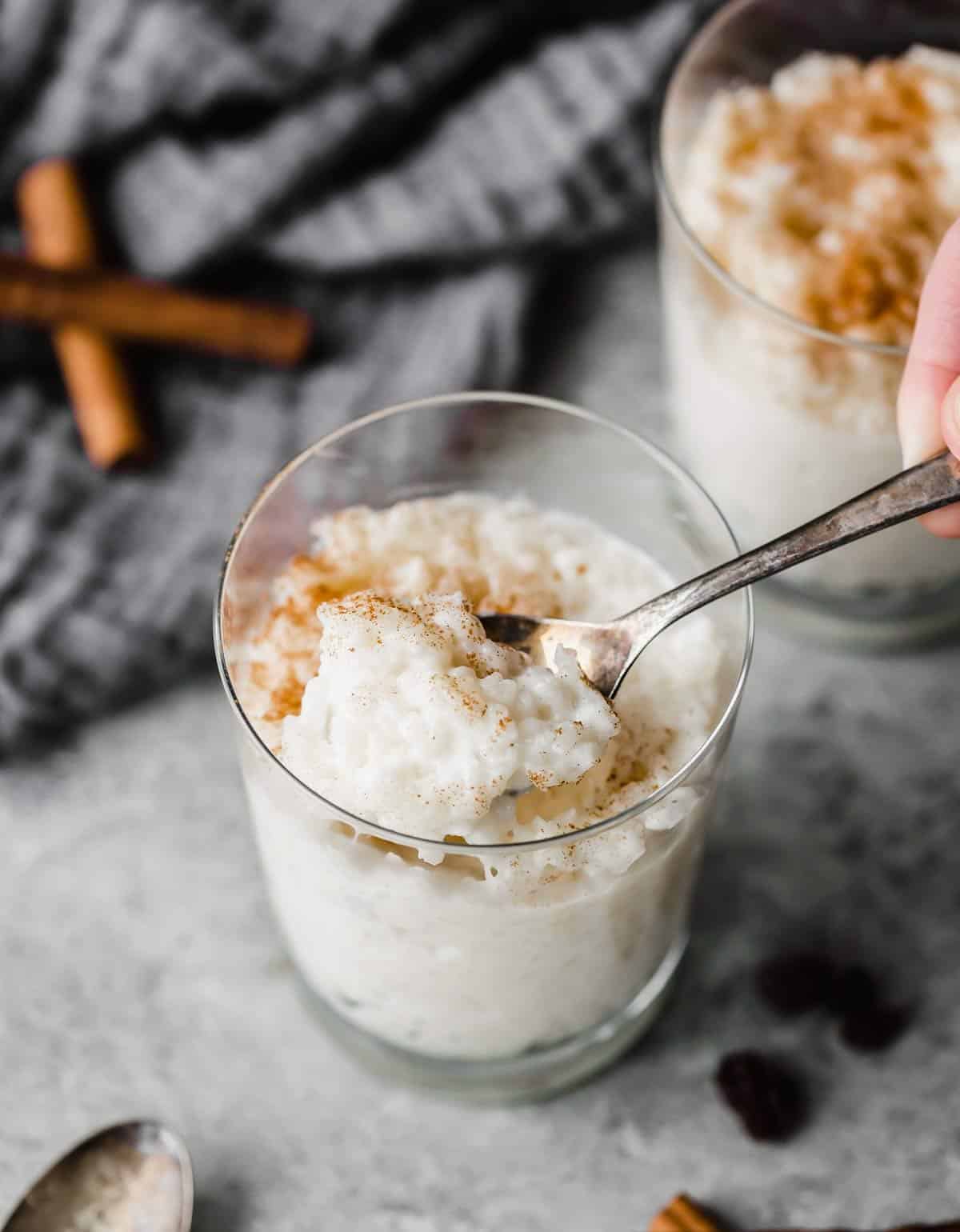
Arroz con Leche
Mexican Rice Pudding
Dessert, afternoon merienda, holidays Medium
📜 Story
Medium
📜 Story
Birria
Birria
Weekend mornings and special celebrations, particularly weddings, baptisms, and holidays
Comments (0)
Log in to leave a comment.
No comments yet. Be the first to share your thoughts!